Aftercare guidance with practical protection advice in Milton Keynes and beyond
Age hardening advice for new surfaces. Tips to avoid tyre scuffing. PDF guides linked in one place. Working across the South East and London from our base in Milton Keynes.
SafeContractor Accredited
NRSWA Registered
Free No-Obligation Quotes
Our unique qualities
Twenty years of Edwards Surfacing, fifty years in the trade
That civil installation expertise underpins essential guidance on how newly laid materials cure.
All aftercare links together
Consolidating technical maintenance parameters to connect your newly completed pavement with long-term asset protection.
Practical damage prevention advice
Explaining simple operational restrictions regarding point loads and stationary wheel turning to eliminate unsightly scars.
Looking after your new surface properly
A newly laid surface is at greater risk of damage during its early life before it strengthens through an age-hardening process. This risk is increased further during the summer months when ambient temperatures and solar absorption are at their highest.
Point loading is one of the primary causes of damage. Heavy items such as ladders, waste skips, caravans and motorbikes can form indentations in the surface, which become unsightly.
Patricia Jones, Google
"An excellent job with good and efficient staff. Happy to go that extra mile which has resulted in a lovely new surface on our long drive. I would thoroughly recommend them."
Newly laid asphalt
Asphalt is a generic term for all types of coated materials, including Macadams, Hot Rolled Asphalt, Stone Mastic Asphalt and Proprietary Thin Surfacings. Your newly laid asphalt surface will at first appear bright and bold in appearance and will have an increased surface tension due to the use of oil-based products.
This can cause rainwater to flow less quickly as it drains. This appearance will soften over time as it is subjected to the elements, which also creates a slightly rougher texture to the surface, giving better resistance to skidding and slipping.
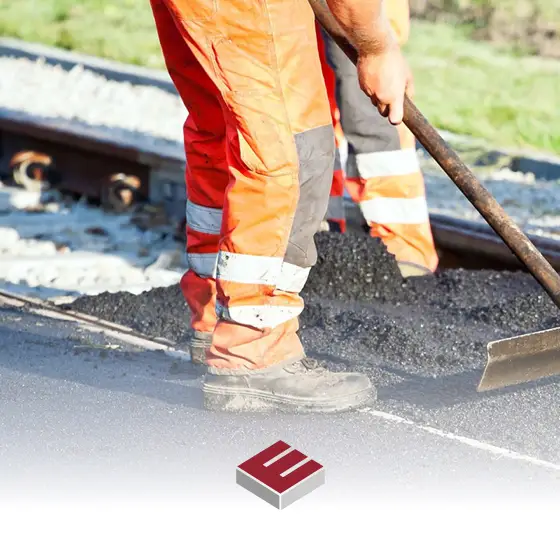
Damage
During its early life, the new surface is at greater risk of damage before it strengthens through an age-hardening process. Most damage occurs in one of two ways: point loading from ladders, waste skips, caravans and motorbikes, which can form indentations, or scuff marks caused by the scrubbing action of vehicle tyres, particularly when wheels are turned while stationary.
Repairing any damage can leave a scar on the surface area, and therefore care should be taken to avoid this situation.
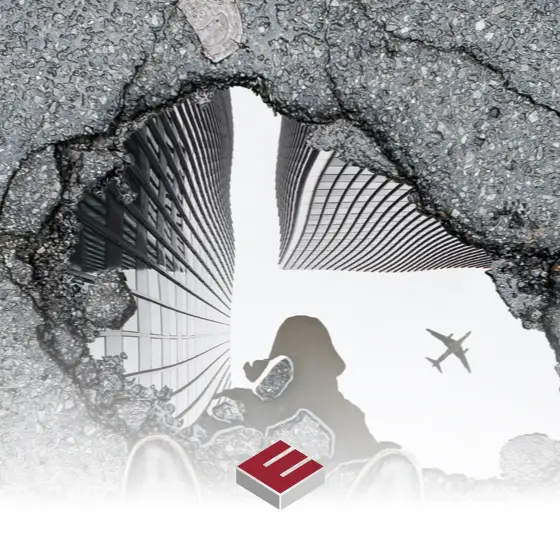
General aftercare
Remember, prevention is better than the cure! Treat your new surface with respect and be aware of the potential damage that may be caused. Always ensure vehicles are moving before turning, protect the surface with boards when using ladders or skips, and never place dirty or oil-based products directly onto the surface.
Footpaths and domestic driveways are usually designed for use by cars. Structural as well as surface damage may occur if heavy vehicles are allowed to travel through these areas.
Contamination
Any oil-based products that are spilt on the new surface must be removed as soon as possible to avoid staining and the breakdown of the material structure. Immediately soak up the liquid with sawdust, dry sand or absorbent paper and discard it safely.
Brushing the surface with soapy water may also help to remove some of the oil from the surface, but may still leave some staining.